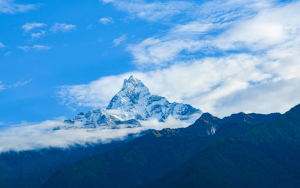
Planning a trip to the roof of the world for your very first visit to Nepal, your mind is probably spinning with questions. Do I need to be a hardcore mountaineer? How do I navigate Kathmandu’s chaotic streets? What is the deal with the new digital visa rules?
Relax. Take a deep breath.
Nepal is one of the most welcoming, spiritually grounding, and visually breathtaking places on earth. It is a misconception that it is only a playground for elite climbers. Today, it has evolved into a premier destination for slow travel, cultural discovery, wellness, and wildlife adventure.
This ultimate guide will take you step-by-step through everything you need to know for your first trip to Nepal—blending practical logistical blueprints with insider travel wisdom.
Visualizing the Journey: The Three Distinct Belts of Nepal
Before packing your bags, it helps to understand the geographic layout of the country. Nepal is split into three distinct topographical zones, each offering a vastly different experience:
| Region | Landscape & Vibe | Major Highlights | Best For |
| The Mountain Region (Himal) | High-altitude, snow-capped peaks, alpine trails, and deep Sherpa/Tibetan culture. | Everest Base Camp, Annapurna Circuit, Manaslu. | Hardcore trekking, mountaineering, and epic vistas. |
| The Hill Region (Pahar) | Terraced emerald hills, peaceful lakes, pristine valleys, and ancient kingdoms. | Kathmandu Valley, Pokhara, Bandipur. | Culture, historical monuments, paragliding, and digital nomads. |
| The Terai (Plains) | Low-altitude subtropical jungles, humid grasslands, and flat plains. | Chitwan National Park, Bardiya National Park, Lumbini. | Wildlife safaris (tigers, rhinos) and spiritual birthplaces. |
Timing Your Trip: When to Visit
The absolute best times to visit Nepal are during the two peak seasons, when the air is clean, skies are crystal-clear, and trail conditions are optimal.
- Autumn (September to November): This is the undisputed golden window. The monsoon rains have just washed away the dust, leaving behind razor-sharp mountain views, pleasant temperatures, and vibrant cultural celebrations like the Dashain and Tihar festivals.
- Spring (March to May): A magical time when the valleys come alive. Massive rhododendron forests burst into pink and red blooms across the foothills, and the weather is comfortably warm for high-altitude climbing.
- The Winter Alternative (December to February): If you dislike crowds, winter is a hidden gem for low-altitude hiking and cultural tours in Kathmandu or Pokhara. The days are crisp, clear, and sunny, though nights get freezing.
- Monsoon Season (June to August): Generally best avoided for first-timers. Heavy rains bring landslides, muddy trails, flight delays, and clouds that hide the peaks.
Must Visit Destinations in Nepal for First-Timers
If you have two to three weeks, this curated loop balances high-octane adventure with deep relaxation.
1. Kathmandu: Hub of Culture and Heritages
Most travelers treat Kathmandu as a quick transit point, but it deserves at least 2 to 3 days. It is a vibrant maze of ancient Newari architecture, incense-filled alleys, and modern cafes.
Don’t miss the major UNESCO World Heritage Sites:
- Boudhanath Stupa: One of the largest spherical stupas in the world. Walk the kora (clockwise circumambulation) with the locals at dusk as butter lamps flicker and Tibetan chants fill the air.
- Patan Durbar Square: Located just across the river, Patan showcases the pinnacle of medieval metalwork and stone carvings.
- Swayambhunath (The Monkey Temple): Climb the stone steps to watch the sunrise over the sprawling city valley alongside resident macaques.
2. Pokhara: The Lakeside Sanctuary and Wellness Hub
If Kathmandu is the chaotic heart of Nepal, Pokhara is its calm soul. Nestled along the shores of Phewa Lake, with the jagged peaks of the Annapurna range casting reflections across the water, Pokhara has evolved into a global wellness capital.
Spend your days paragliding off Sarangkot hill, relaxing at an lakeside Ayurvedic spa, or sitting in a cozy lakeside cafe catching up on remote work over a locally grown Himalayan coffee.
3. Chitwan or Bardiya: Tracking the King of the Jungle
Yes, Nepal has jungles! Dropping down into the subtropical plains of Chitwan National Park offers a shocking contrast to the snowy mountains. Here, you can ride in an open-top jeep or canoe down misty rivers to spot greater one-horned rhinoceroses, wild elephants, crocodiles, and if you are exceptionally lucky, the elusive Bengal tiger.
Insider Tip: If you want an even wilder, off-the-beaten-path safari experience with fewer tourists, head further west to Bardiya National Park, where the tiger populations have flourished beautifully.
Trekking 101: Navigating the Trails Safely
You do not need to tackle Mount Everest to experience the magic of the Himalayas. There are routes suited for absolute beginners as well as seasoned athletes.
Iconic Trails vs. Shorter Treks
- The Classics (12-20 Days): Everest Base Camp (EBC) or the Annapurna Circuit. These are bucket-list journeys with incredibly well-developed tea-house infrastructure.
- The Shorter Routes (3-7 Days): Ghorepani Poon Hill or the Mardi Himal Trek. These are perfect for first-timers, providing sweeping mountain vistas without demanding extreme physical conditioning.
Understanding Tea Houses
Trekking in Nepal is uniquely comfortable due to “tea house culture.” You aren’t pitching tents or freeze-drying food; instead, you’ll sleep in family-run alpine lodges. While high-altitude tea houses now offer modern luxuries like high-speed fiber-optic internet and attached bathrooms, the rooms are generally basic and unheated. Bring a high-quality, cold-rated sleeping bag.
What to Eat: A Culinary Introduction
Nepalese cuisine is a comforting blend of Tibetan, Indian, and indigenous Newari flavors. It is hearty, healthy, and perfect fuel for a long day of exploring.
Dal Bhat: The Fuel of the Himalayas
If there is one phrase you must memorize, it is: “Dal Bhat Power, 24 Hour!”
This national dish consists of a generous platter of steamed rice (bhat), a rich lentil soup (dal), spiced seasonal vegetable curry (tarkari), picked greens, and a fiery chutney.
It is traditionally served in a brass platter, and the best part? It comes with unlimited free refills of the rice, dal, and curry. It is a highly nutritious, entirely fresh fuel source that will keep you going on any trail.
Momo: The Universal Crowdfletcher
Momos are Nepal’s unofficial national snack. These are delicious, bite-sized dumplings stuffed with minced meat (usually water buffalo or chicken) or finely chopped vegetables, seasoned with ginger, garlic, and cilantro. They are served either steamed or fried alongside a rich, spicy tomato-sesame dipping sauce.
Tips for First-Time Visitors
- Zero-Plastic on Trails: Single-use plastic water bottles are banned in major trekking zones like the Khumbu (Everest) and Annapurna regions. Pack a heavy-duty reusable bottle and a reliable water purification system (like a UV purifier or filtration tablets). Tea houses provide certified filtered water refill stations for a tiny fee.
- Cash is King: ATMs are abundant in Kathmandu and Pokhara, but they frequently run out of cash or reject international cards without warning. Withdraw plenty of Nepalese Rupees (NPR) before heading out into rural towns or mountain trails, where cards are entirely useless.
- Tipping Etiquette: While tipping isn’t mandatory in casual everyday spots, it is expected for transport drivers, restaurant servers, and especially your trekking guides and porters, who rely heavily on tips to support their families.
- Cultural Respect: Always dress modestly when visiting temples (cover your shoulders and knees). Remove your shoes before entering religious shrines or local homes. When passing Buddhist stupas, mani stones, or prayer wheels, always walk past them on the clockwise side.
Nepal has a magical way of changing the people who visit it. Come with an open mind, a respectful heart, and a ready sense of adventure. Dal bhat will power your days, the mountains will humble you, and the radiant smiles of the Nepali people will stay with you long after you’ve returned home.Namaste, and welcome to the adventure of a lifetime!